- Empty cart.
- Continue Shopping





Low Tunnel Kit | Row Cover Hoops & Season Extension
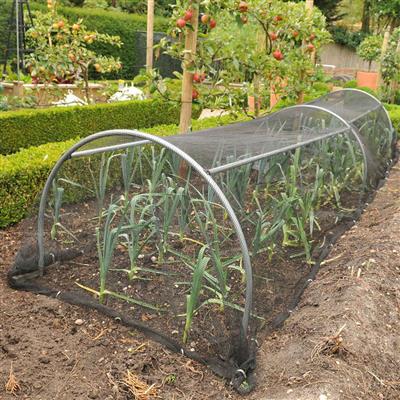
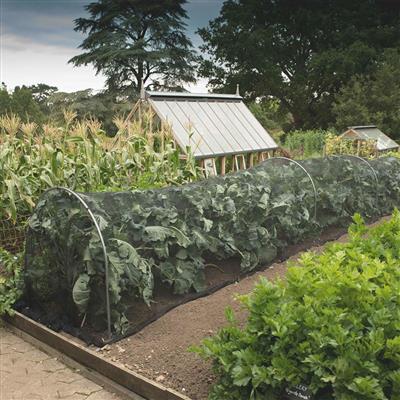
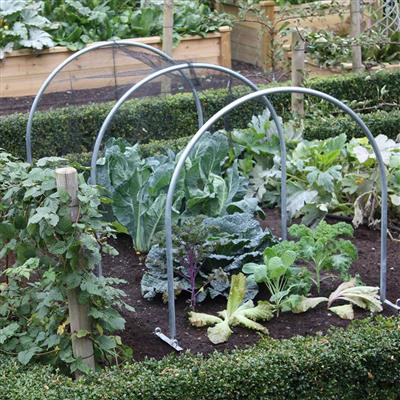
Low Tunnel Kit | Row Cover Hoops & Season Extension
$249.00
Add to cart
Guaranteed Safe Checkout

Free
Worldwide Shopping
100%
Guaranteed Satisfaction
30 Day
Guaranteed Money Back
Low Tunnel Kit
Do you want to grow more, for longer, for less? Then a Low Tunnel Kit is the easiest place to start. It uses simple hoops and a protective cover to shield a single garden row or raised bed. So you can plant earlier in spring and keep harvesting later into autumn. Plus, it protects your crops from frost, wind and pests all year. In short, it’s the simplest, most affordable way to extend your growing season.
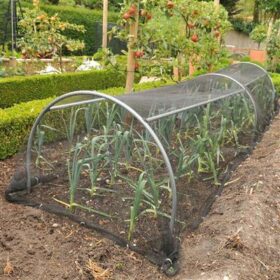
A low tunnel works like a mini greenhouse over your crops. First, the hoops arch over the row to form a frame. Then you drape a cover over the top and secure the edges. As a result, you create a warm, sheltered micro-climate for your plants. Best of all, it sets up in minutes and moves easily as your crops rotate.
H2: Why Use a Low Tunnel Kit
Low tunnels deliver a lot for a little. To start, they’re far cheaper than a greenhouse or high tunnel. So you protect your crops without a big investment. In addition, they’re portable and flexible. As a result, you can move them around the garden as the seasons and crops change. In fact, many gardeners keep low tunnels in use all year round.
The biggest benefit is versatility. For example, you can pair the hoops with different covers for different jobs. So frost fabric or poly protects against cold, insect netting keeps pests out, and shade cloth shields heat-sensitive crops in summer. Plus, low tunnels warm the soil, which helps seeds germinate and seedlings establish faster. So you get earlier, healthier, more reliable crops.
H2: Key Features
- Simple, affordable season-extension for a single row or bed
- Lightweight hoops form a quick, sturdy frame
- Works with row cover, frost fabric, insect netting, shade cloth or poly
- Protects against frost, wind, heat and pests
- Warms the soil for faster germination and growth
- Quick to set up and easy to move as crops rotate
- Ideal for raised beds and in-ground rows
- A cost-effective alternative to a greenhouse or high tunnel
- Suits home gardeners and market growers alike
H2: How to Use Your Low Tunnel
Setting up a low tunnel is easy. First, push the hoops into the soil along your row, spacing them roughly 1–1.5m apart for good support. Next, drape your chosen cover over the hoops. Then pull it taut (but not stretched) and secure the edges. To hold it down, you can bury the edges, or weigh them with soil, sandbags, rocks or timber. Finally, in hot weather, vent or partly remove the cover so plants don’t overheat. As a tip, slitted or perforated covers self-ventilate, so you do less manual venting.
H2: Which Cover Should You Choose?
The cover makes the tunnel, so match it to the season:
- Frost fabric / row cover — lightweight fleece for a few degrees of frost protection in cooler months.
- Poly / greenhouse film — clear plastic for maximum warmth and soil heating in early spring.
- Insect netting / mesh — fine mesh to exclude pests without trapping too much heat.
- Shade cloth — to protect heat-sensitive greens from harsh summer sun.
Browse our greenhouse covering and netting range and garden growing accessories to kit out your tunnel, or speak with our team for advice.
H2: Low Tunnel vs Greenhouse — Which Do You Need?
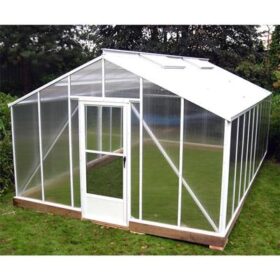
These suit different goals, so it helps to compare. A low tunnel is small, cheap and portable, and it protects individual rows or beds. A greenhouse, by contrast, is a permanent walk-in structure for year-round growing. So choose a low tunnel for affordable, flexible season extension. Choose a greenhouse for serious, all-weather growing. For that option, compare our greenhouse range; for larger commercial protection, see our hoop houses and high tunnels.
H2: Siting and Setup
Low tunnels work best in a sunny, fairly sheltered spot. So choose a position protected by a fence, hedge or building where possible, since wind is the main enemy of a low cover. Then anchor the cover well, especially in exposed or windy Australian gardens. Because it’s a small, temporary structure, you generally won’t need council approval. For season-by-season growing advice tailored to Australian conditions, Gardening Australia is a trusted resource, and the Bureau of Meteorology helps you track frost dates and plan your planting.
H2: What to Grow
Low tunnels are brilliant for fast, leafy and cool-season crops. For example, gardeners love them for lettuce, rocket, spinach, kale, beetroot and spring onions. Plus, they help warm the soil for heat-loving crops like tomatoes and capsicums. So you get a head start in spring and a longer harvest in autumn. For more growing ideas, Gardening Australia has excellent seasonal guidance.
H2: Frequently Asked Questions
What is a low tunnel? It’s a mini, hoop-supported cover over a single garden row or bed. So it acts like a small greenhouse to protect and warm your crops.
What can I cover it with? Row cover or frost fabric for cold, poly for maximum warmth, insect netting for pests, or shade cloth for summer heat. So you simply match the cover to the season.
How far apart should the hoops go? Roughly 1–1.5m apart gives good support. In windier spots, space them a little closer.
Will it protect against frost? Yes. Frost fabric or poly gives a few degrees of frost protection and warms the soil, so you can plant earlier and harvest later.
Do I need a permit? No. A low tunnel is a small, temporary structure, so it generally doesn’t require council approval.
H2: Conclusion
In the end, a Low Tunnel Kit is the simplest, most affordable way to grow more for longer. It protects your crops from frost, wind, heat and pests, warms your soil, and sets up in minutes. Plus, with the right cover for each season, it works all year round. So browse the range or get in touch for expert advice today.
Related products
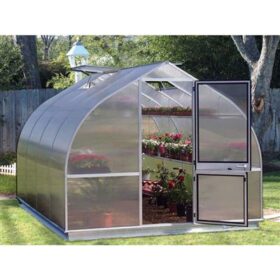

Riga Deluxe Greenhouse
$7,499.00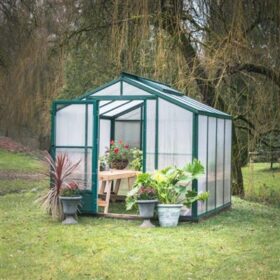
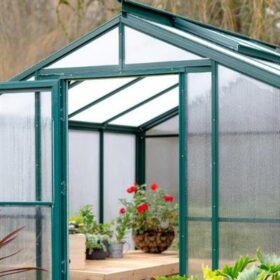
Sunhaven Greenhouse
$8,400.00
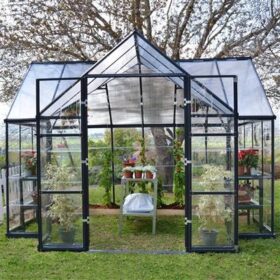
Palram Garden Chalet Greenhouse | Cathedral Roof Kit
$1,750.00Current price is: $1,750.00. Original price was: $2,523.65.


Grow-it Peak Greenhouse, 12′ wide
Price range: $899.00 through $999.00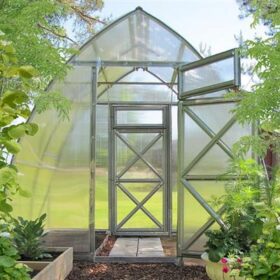
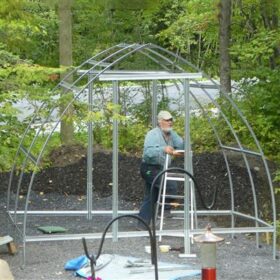
Sungrow Compact Greenhouse
$1,899.96Current price is: $1,899.96. Original price was: $2,295.00.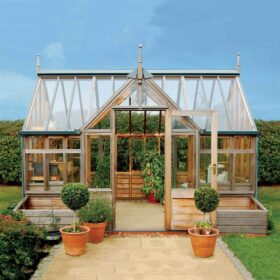
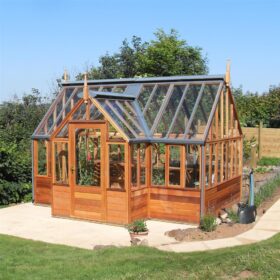
Gabriel Ash Portico Greenhouse | Cedar Glass Greenhouse
$17,324.99Current price is: $17,324.99. Original price was: $23,980.00.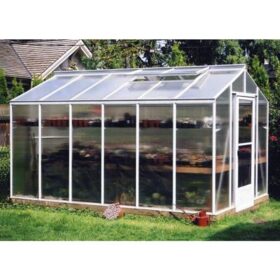
Reviews
There are no reviews yet.