- Empty cart.
- Continue Shopping

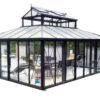

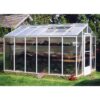
Fivewall Polycarbonate Greenhouse | Energy-Efficient AU
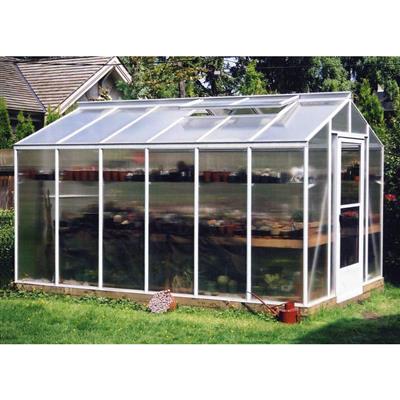
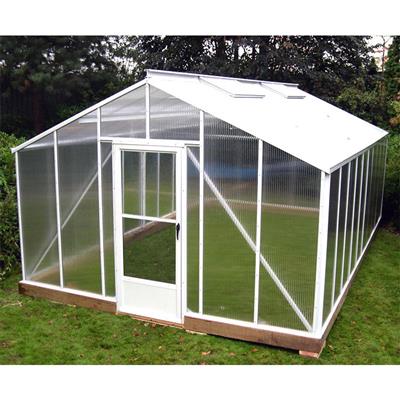
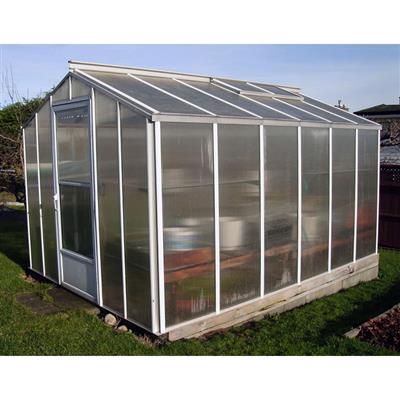
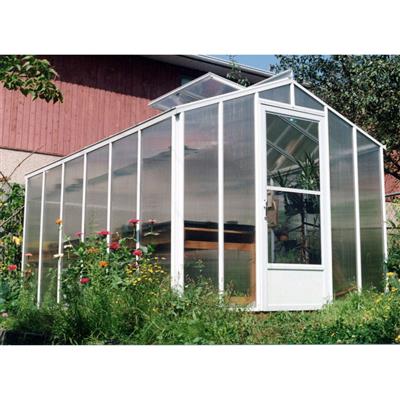
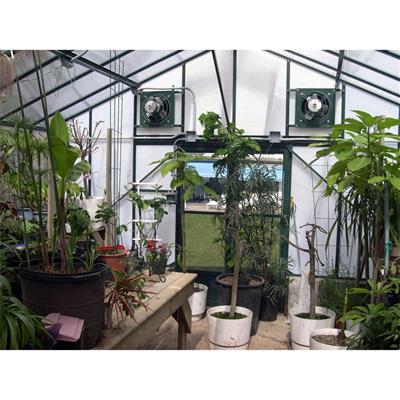
Fivewall Polycarbonate Greenhouse | Energy-Efficient AU
Price range: $10,190.00 through $72,508.80
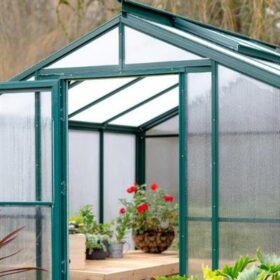
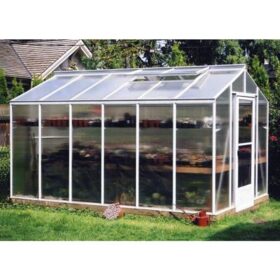
The most energy-efficient greenhouse glazing available. The Traditional Fivewall Polycarbonate Greenhouse is built for serious, low-cost, year-round growing. Its thick 16mm five-wall polycarbonate panels trap heat with four insulating air layers, delivering an impressive R-value of 3.03 — so it costs far less to heat than standard greenhouses. A heavy-duty aluminium frame, straight-eave design, tall 5’6″ sidewalls and automatic roof vents complete the package. Choose green or white, and size it from a backyard model to a small commercial structure. Insulation, durability and value in one.
Item
Choose an option
Add to cart
Guaranteed Safe Checkout

Free
Worldwide Shopping
100%
Guaranteed Satisfaction
30 Day
Guaranteed Money Back
Traditional Fivewall Polycarbonate Greenhouse
Do you want to grow year-round without huge heating bills? Then the Traditional Fivewall Polycarbonate Greenhouse is the answer. It’s one of the most energy-efficient hobby greenhouses you can buy. In fact, its 16mm five-wall glazing is arguably the most insulating greenhouse covering on the market. As a result, it keeps your plants warm and your running costs low. So it’s perfect for serious, all-season growers.
The secret is the glazing. To start, the panels are a thick 16mm — far thicker than standard 6mm twin-wall. Inside, four dead-air spaces trap heat, like several layers of insulation in one panel. So the greenhouse holds warmth beautifully. This gives it an impressive R-value of 3.03 — roughly twice the insulation of double glass.
Why Choose the Fivewall Polycarbonate Greenhouse
The big win here is energy efficiency. For example, fivewall glazing uses around 50% less heating energy than standard 6mm twin-wall polycarbonate or double glass. So you can hold steady night temperatures with very little extra heat. As a result, you can grow tender plants — citrus, orchids and more — far more affordably through winter.
There’s a small trade-off, and it’s worth knowing. Because the panels are so thick, light transmission sits around 62%, slightly lower than thinner glazing. However, that light is gently diffused. So it spreads evenly and protects plants from scorching. In addition, the polycarbonate is virtually unbreakable and reduces interior condensation. In short, you gain insulation, durability and even light — a great trade for most growers.
Key Features
- 16mm five-wall polycarbonate glazing — among the most energy-efficient available
- Four insulating air layers for an impressive R-value of 3.03
- Around 50% less heating energy than standard twin-wall or double glass
- Gently diffused light to protect plants from scorching
- Virtually unbreakable, with reduced interior condensation
- Heavy-duty, rust-resistant aluminium frame in green or white
- Traditional straight-eave design
- Tall 5’6″ sidewalls for benches and hanging baskets
- Double-wide automatic roof vents (one to three, depending on size)
- Lockable storm door with screen and insulated panel
- Modular — available from backyard to small-commercial sizes
H2: Sizes and Specifications
The Traditional Fivewall comes in a wide range of sizes, from compact backyard models up to large structures. As a guide, here are the key specs:
- Style: freestanding, straight-eave
- Glazing: 16mm five-wall polycarbonate (R-value 3.03, ~62% light)
- Frame: rust-resistant aluminium (green or white)
- Sidewall height: 5’6″ (approx. 1.68m)
- Door: lockable storm door, approx. 32″ x 76″, with insulated panel
- Vents: 1–3 automatic roof vents, depending on size
- Common sizes: from 8′ x 12′ up to 16′ x 24′ and larger
So browse our full greenhouse range and greenhouse accessories. Or speak with our team for sizing, colour and configuration advice.
H2: Fivewall vs Twin-Wall Polycarbonate — Which Should You Choose?
This is the key decision, so let’s compare. Standard twin-wall polycarbonate (6mm) offers higher light transmission, around 80%, at a lower price. The fivewall (16mm), by contrast, offers far better insulation and much lower heating costs, with slightly less light. So choose fivewall if you grow year-round, heat your greenhouse, or live somewhere cold. Choose twin-wall if maximum light and lower upfront cost matter more. For the twin-wall option, compare our polycarbonate greenhouse range too.
H2: Foundation, Siting and Setup
A greenhouse needs a solid, level base for stability. So prepare a foundation such as concrete or treated timber first. Next, choose a level, sunny, well-drained spot. Then orient the longer side toward the sun for the best light — important here, since fivewall glazing lets in a little less. Larger structures may need approval, so check with your local council about permits before you build. For siting help, the Australian Government’s Your Home guide is excellent. The Bureau of Meteorology also helps you plan around local sun, wind and frost.
H2: What to Grow
A highly insulated greenhouse opens up true year-round growing. For example, you can grow vegetables, herbs and flowers right through the cooler months. Plus, you can overwinter tender plants like citrus, orchids and succulents with minimal heating. For season-by-season advice in Australian conditions, Gardening Australia is a trusted resource.
H2: Frequently Asked Questions
What is fivewall polycarbonate? It’s a thick 16mm panel with four internal air spaces. As a result, it insulates far better than standard 6mm twin-wall polycarbonate.
How much heat does it save? A lot. Fivewall glazing uses around 50% less heating energy than twin-wall or double glass, thanks to its R-value of 3.03.
Does it let in less light? Slightly. Light transmission is around 62%, versus about 80% for twin-wall. However, the light is gently diffused, which protects plants.
What sizes are available? A wide range, from compact backyard models up to large, small-commercial structures.
Does it ventilate automatically? Yes. It includes one to three automatic roof vents, depending on the size you choose.
H2: Conclusion
In the end, the Traditional Fivewall Polycarbonate Greenhouse delivers the best insulation in the greenhouse market. It combines 16mm five-wall glazing, a heavy-duty aluminium frame, tall sidewalls and automatic ventilation. Plus, it slashes heating costs for true year-round growing. So browse the range or get in touch for expert advice today.
| Item | 8 ft. 7-1/2 in. x 12 ft. 8-1/2 in., Brown Frame, 8 ft. 7-1/2 in. x 12 ft. 8-1/2 in., Green Frame, 8 ft. 7-1/2 in. x 12 ft. 8-1/2 in., White Frame, 10' 8"W x 16' 9.5"L, Brown Frame, 10' 8"W x 16' 9.5"L, Green Frame, 10' 8"W x 16' 9.5"L, White Frame, 12' 8.5"W x 20' 10.5"L, Brown Frame, 12' 8.5"W x 20' 10.5"L, Green Frame, 12' 8.5"W x 20' 10.5"L, White Frame, 16' 9.5"W x 24' 11.5"L, Brown Frame, 16' 9.5"W x 24' 11.5"L, Green Frame, 16' 9.5"W x 24' 11.5"L, White Frame, 20' 10.5"W x 41' 3.5"L, Brown Frame, 20' 10.5"W x 41' 3.5"L, Green Frame, 20' 10.5"W x 41' 3.5"L, White Frame |
|---|
Related products
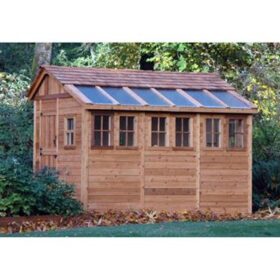
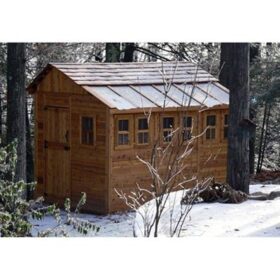
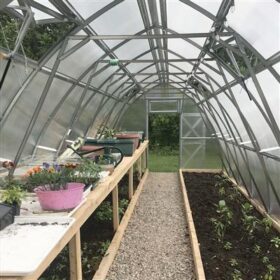
SunShed Garden Building 8×12 | Cedar Greenhouse Shed
$3,500.00Current price is: $3,500.00. Original price was: $5,311.00.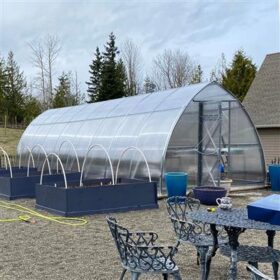
Sungrow 26 Greenhouse | Heavy-Duty 10×26 Steel Frame
$2,089.99Current price is: $2,089.99. Original price was: $3,416.00.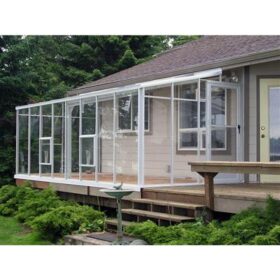
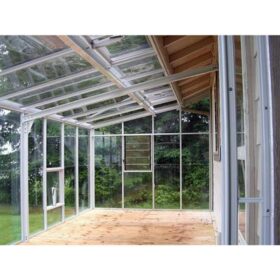
Traditional Glass Lean-To Greenhouse | Wall Glasshouse
Price range: $12,276.32 through $35,370.72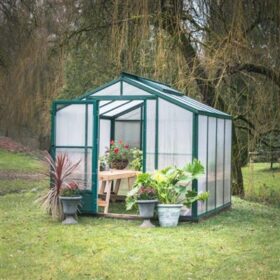

Reviews
There are no reviews yet.